How did the arbitration Originate
The pending arbitration relates to a lawsuit (the "Lago Agrio case") that was commenced in May 2003 in the town of Lago Agrio in the Ecuadorian province of Sucumbíos.
The case was brought by 48 individuals against Chevron Corporation for damages allegedly caused by its subsidiary, Texaco Petroleum Company ("Texpet"), while producing oil in the Amazon from the early 1970s through 1990. Texpet, which was acquired by Chevron in 2001, was a minority operating partner in a Consortium with state-owned PetroEcuador. The Lago Agrio plaintiffs sought monetary damages for alleged collective harms, including claims TexPet failed to remediate environmental impacts.
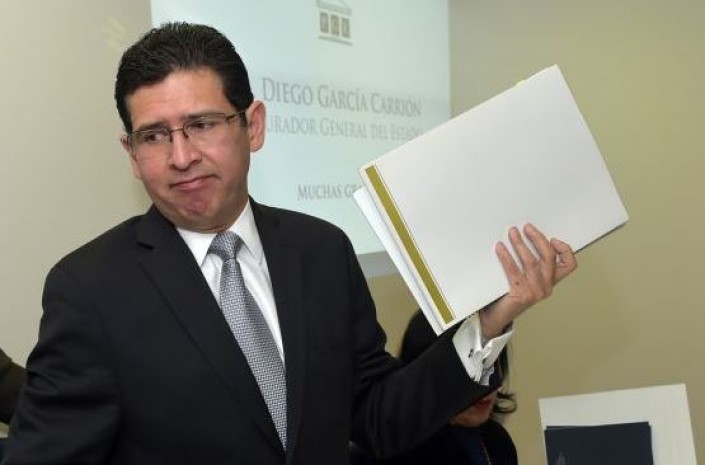
Ecuador litiga con las grandes petroleras
Tras la orden de pagar a la petrolera OXY 1.061 millones de dólares, Ecuador continúa litigando con otros...
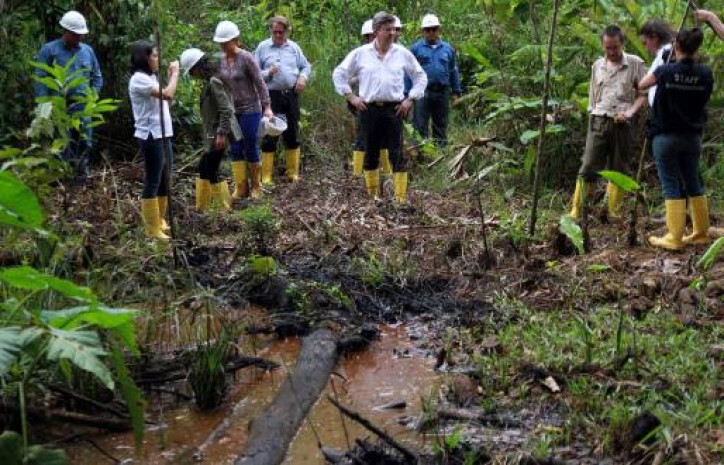
Ecuador enfrenta arbitrajes por más de $ 5.300 millones
Los litigios en cortes internacionales que se mantienen activos en contra del Estado ecuatoriano suman demandas que...
$14.475 millones estarían en riesgo por arbitrajes
Un total de $ 14.475 millones arriesga el Estado ecuatoriano, en caso de perder los 27 procesos que enfrenta por...
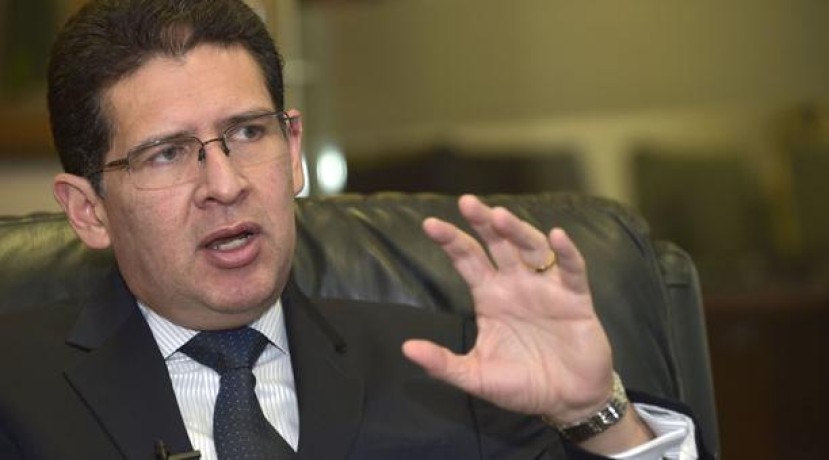
Pulseada de Ecuador con las petroleras: USD 5000 millones...
Seis petroleras en contra y más USD de 5000 millones en juego: el procurador de Ecuador, Diego García, habló con la...
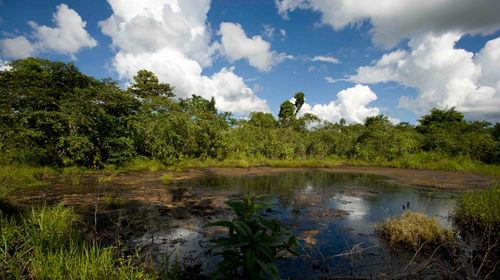
This is Lorem ipsum heading.
Lorem ipsum dolor sit amet, consectetur adipiscing elit, sed do eiusmod tempor...
What was decided in the Lago Agrio case?
The Lago Agrio case was fraught with illegalities and violations of due process, including fabricated evidence and "expert" testimony, harassment of Chevron's counsel, government interference, and collusion with the trial judge.
That corrupt process led to the issuance of a judgment (the "Lago Agrio Judgment") by the Provincial Court of Justice of Sucumbíos in February 2011, awarding $18.2 billion to the plaintiffs. That judgment was affirmed by an intermediate appellate court (the appellate division of the Provincial Court of Sucumbíos) in January 2012 and then increased by that same court to about $19 billion in August 2012. In November 2013, the National Court of Justice affirmed the judgment but halved the amount to $9.5 billion.
Chevron logra protección temporal ante una posible sentencia en Ecuador
Un panel de la Corte Permanente de Arbitraje de La Haya prohibió temporalmente la aplicación de cualquier sentencia...

La reciente avalancha de juicios contra Ecuador pone en evidencia la...
Un artículo reciente de El Comercio, uno de los principales periódicos ecuatorianos, habla sobre un incremento...
This is Lorem ipsum heading.
Lorem ipsum dolor sit amet, consectetur adipiscing elit, sed do eiusmod tempor...
This is Lorem ipsum heading.
Lorem ipsum dolor sit amet, consectetur adipiscing elit, sed do eiusmod tempor...
This is Lorem ipsum heading.
Lorem ipsum dolor sit amet, consectetur adipiscing elit, sed do eiusmod tempor...
Why did Chevron initiate BIT arbitration?
Disturbed by mounting irregularities in the Lago Agrio trial and the Ecuadorian court's failure to correct egregious due-process violations, Chevron in September 2009 filed an arbitration claim against the Republic of Ecuador before the Permanent Court of Arbitration in The Hague.
Chevron's Notice of Arbitration was amended to include denial of justice as evidence of plaintiffs' lawyers' fraud and collusion with court emerged over the next two years. The international arbitration Tribunal, convened under the BIT, seeks to determine whether Ecuador has violated its obligations under its contracts with Texaco and under the U.S.-Ecuador BIT, including its obligation to provide fair and impartial courts to resolve disputes.
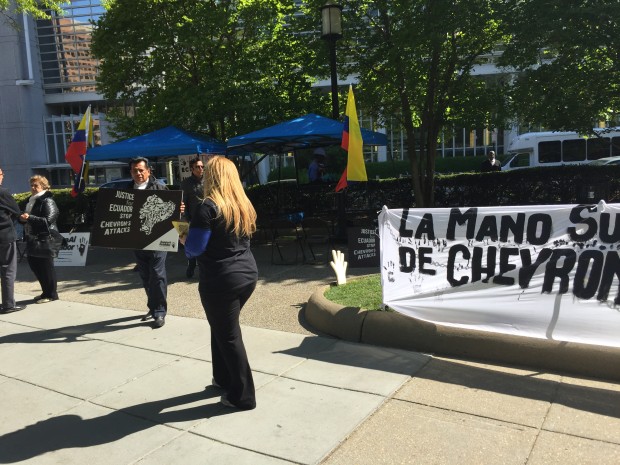
Activismo patrocinado por el Estado ecuatoriano continúa en los Estados Unidos
A principios de este año, documentamos cómo el gobierno ecuatoriano recurría a campañas patrocinadas por el Estado,...
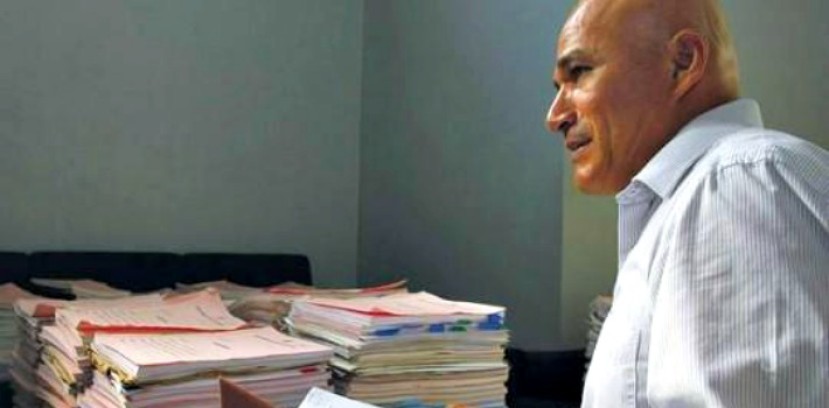
Sentencia que condena a Chevron en Ecuador no fue redactada por el juez
Afirman que los análisis de los peritos muestran que el magistrado no escribió el fallo, sino que lo hizo un equipo...
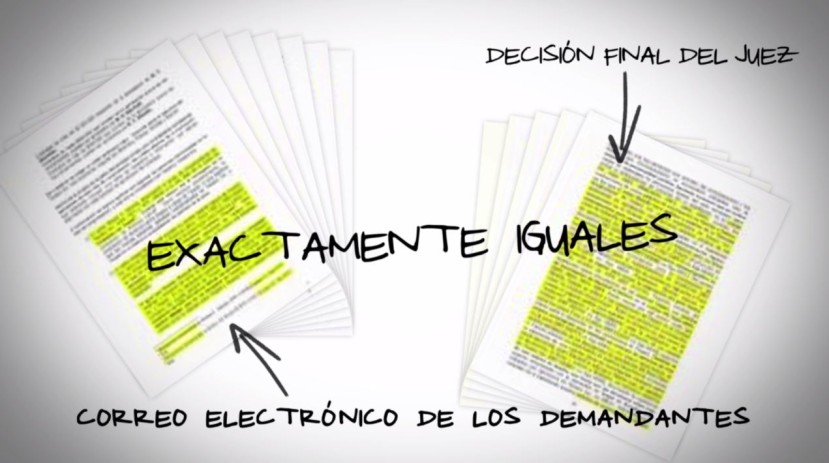
Análisis forense confirma la abrumadora evidencia de que Donziger y sus socios redactaron...
Steven Donziger y los pocos partidarios que le quedan, han venido propagando un informe informático forense que...
Revelan evidencia de los computadores que usó el juez que condenó a Chevron
La compañía Chevron ha respondido a la filtración, presuntamente difundida por el abogado estadounidense Steven...
Evidencia forense confirma que juez ecuatoriano no escribió sentencia contra Chevron
Steven Donziger y los pocos seguidores que le quedan están propagando un informe "filtrado" relacionado a las...